Building a cryptocurrency portfolio is only the beginning of successful long-term investing. Many investors focus on choosing assets and making initial purchases, but they overlook one of the most important parts of portfolio management: keeping their investments aligned with their original strategy.
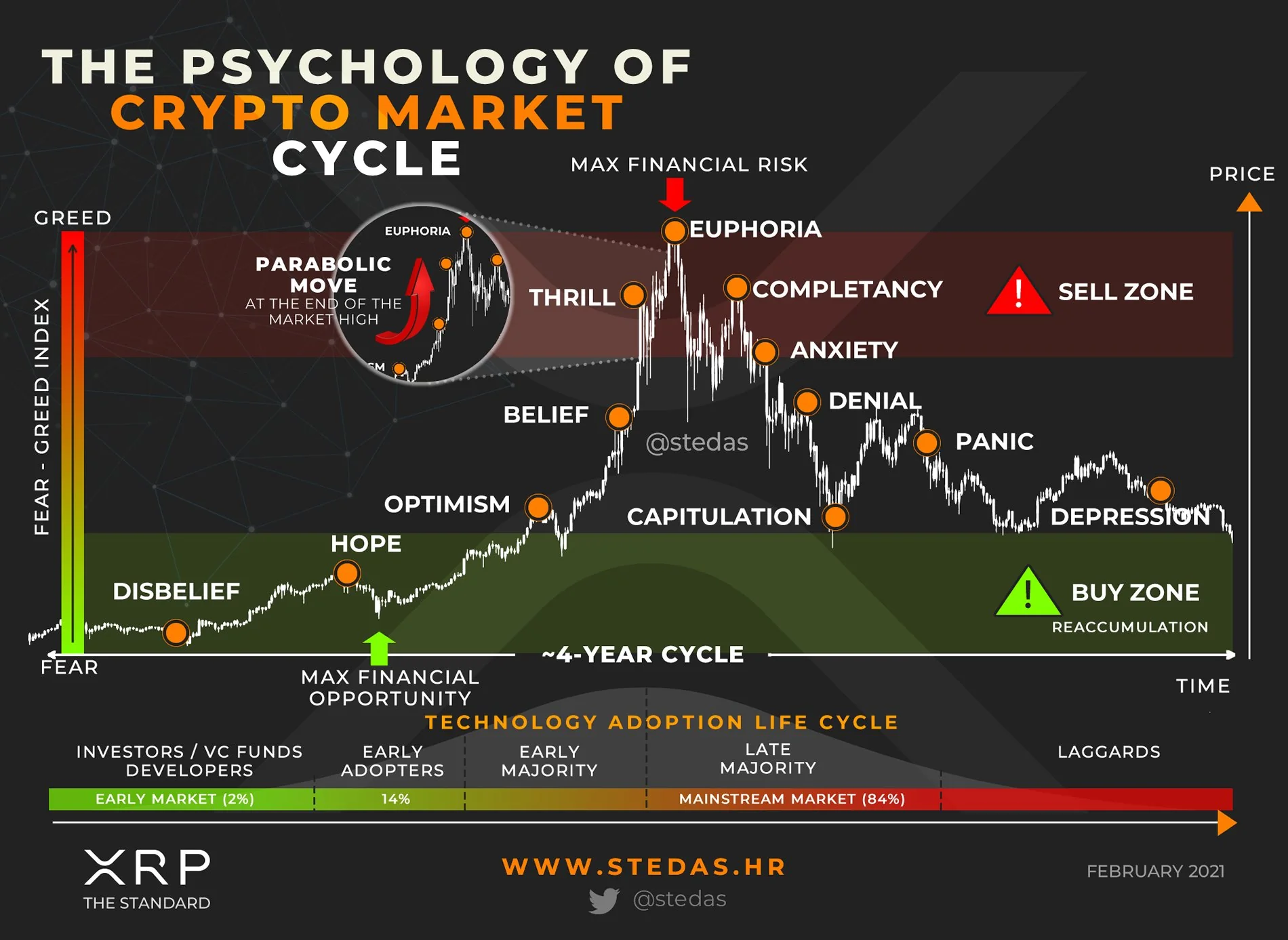
Crypto markets are constantly changing. Asset prices move, market conditions shift, and portfolio allocations naturally drift over time. A portfolio that was balanced when it was created can become heavily concentrated in certain assets after major price movements.
Crypto portfolio rebalancing helps solve this challenge. By regularly adjusting investments back toward target allocations, investors can maintain a structured strategy instead of allowing market movements to determine their portfolio automatically.
With automation, rebalancing becomes easier, faster, and more accessible for everyday investors.
What Is Crypto Portfolio Rebalancing?
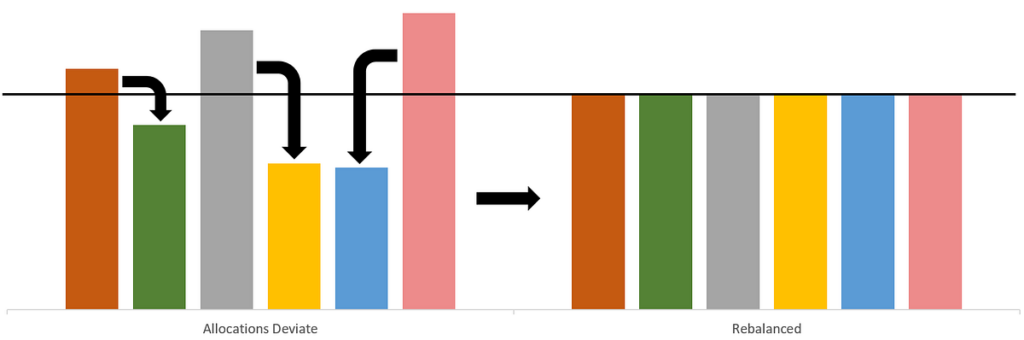
Portfolio rebalancing is the process of adjusting the percentage of different assets in a portfolio to return them to their intended allocation.
For example, an investor may create a portfolio designed with:
- 50% in one category of digital assets
- 30% in another category
- 20% in higher-risk opportunities
Over time, price movements may change those percentages significantly.
If one asset increases substantially, it may become a much larger portion of the portfolio than originally planned. Rebalancing helps restore the original structure.
The goal is not to predict the market. The goal is to maintain a consistent investment strategy.
Why Crypto Portfolios Drift Over Time
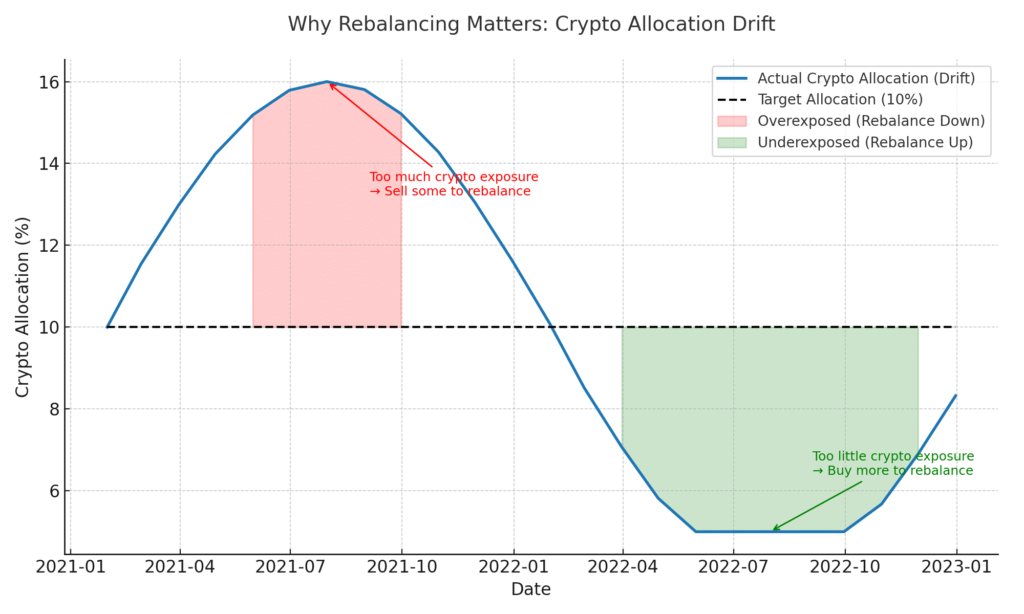
Portfolio drift happens because different assets perform differently.
For example:
- One cryptocurrency may experience rapid growth.
- Another asset may remain stable.
- A third asset may decline in value.
These changes naturally alter the balance of the portfolio.
Without adjustments, investors may unintentionally end up with:
- Higher exposure to certain assets
- More risk than intended
- Less diversification
- A portfolio that no longer matches their goals
Regular optimization helps prevent these issues.
The Importance of Maintaining Target Allocations
A target allocation represents the structure an investor wants their portfolio to maintain.
This allocation is usually based on factors such as:
- Investment goals
- Risk tolerance
- Time horizon
- Market preferences
Maintaining target allocations helps investors stay consistent with their original plan.
Instead of allowing recent market performance to decide portfolio structure, investors continue following a strategy designed around their objectives.
How Rebalancing Helps Manage Risk
One of the main reasons investors rebalance is risk management.
When a single asset grows significantly, it can become a larger portion of the portfolio than intended.
This creates concentration risk.
For example, if a portfolio was designed to have moderate exposure to a specific cryptocurrency but that asset doubles in value, the investor may now have much more exposure than planned.
Rebalancing helps restore balance and prevents one asset from dominating the entire portfolio.
Rebalancing Encourages Disciplined Investing
Human emotions often influence investment decisions.
When an asset performs well, investors may want to continue increasing exposure. When an asset performs poorly, they may want to avoid it completely.
Rebalancing creates a systematic approach instead.
The process naturally encourages investors to:
- Reduce excessive concentration
- Maintain diversification
- Follow predetermined rules
- Avoid chasing recent performance
This helps replace emotional decisions with a structured strategy.
The Challenge of Manual Crypto Rebalancing
While the concept of rebalancing is simple, doing it manually can be difficult.
Crypto markets operate continuously, and portfolio values can change quickly.
Manual rebalancing requires investors to:
- Monitor multiple assets
- Calculate allocation changes
- Decide when adjustments are needed
- Execute transactions
- Track portfolio performance
For many investors, this process becomes time-consuming.
As a result, portfolios may remain unbalanced for long periods.
How Automated Rebalancing Works
Automated rebalancing uses technology to maintain a portfolio according to predefined rules.
Instead of manually reviewing allocations, an automated system can monitor portfolio changes and make adjustments when necessary.
A typical automated rebalancing process includes:
- Setting target portfolio allocations.
- Monitoring asset performance.
- Identifying when allocations move outside the desired range.
- Adjusting holdings to restore balance.
- Continuing to monitor the portfolio over time.
This creates a consistent management process without requiring constant attention.
Benefits of Automated Portfolio Optimization
Automation provides several advantages for crypto investors.
Saves Time
Investors do not need to constantly calculate portfolio percentages or manually track every market movement.
Automation handles routine management tasks so investors can focus on broader goals.
Reduces Emotional Decisions
Market volatility can make manual portfolio adjustments stressful.
Automated systems follow predefined rules rather than reacting to fear, excitement, or short-term market trends.
Maintains Investment Discipline
A strategy only works when it is followed consistently.
Automated rebalancing helps investors stay committed to their chosen portfolio structure.
Supports Long-Term Planning
Instead of focusing on daily price movements, investors can maintain a long-term approach based on their preferred allocation strategy.
Different Approaches to Crypto Rebalancing
There are several ways investors can approach portfolio rebalancing.
Time-Based Rebalancing
This approach adjusts the portfolio on a regular schedule.
Examples include:
- Monthly adjustments
- Quarterly reviews
- Annual optimization
The advantage is simplicity and predictability.
Threshold-Based Rebalancing
This method triggers adjustments when an asset moves beyond a certain percentage from its target allocation.
For example:
- A portfolio asset exceeds its target by a specific amount.
- The system automatically restores balance.
This approach responds to market changes rather than following a fixed calendar.
Hybrid Rebalancing
Some strategies combine both approaches by using scheduled reviews and allocation limits.
This provides additional flexibility while maintaining structure.
Rebalancing Is Not Market Timing
A common misunderstanding is that rebalancing attempts to predict future price movements.
That is not the goal.
Rebalancing is about maintaining a chosen strategy, not forecasting which asset will perform best next.
The purpose is to ensure that the portfolio continues matching the investor’s original plan.
Combining Rebalancing With Other Smart Strategies
Portfolio optimization becomes even more effective when combined with other structured investing approaches.
Examples include:
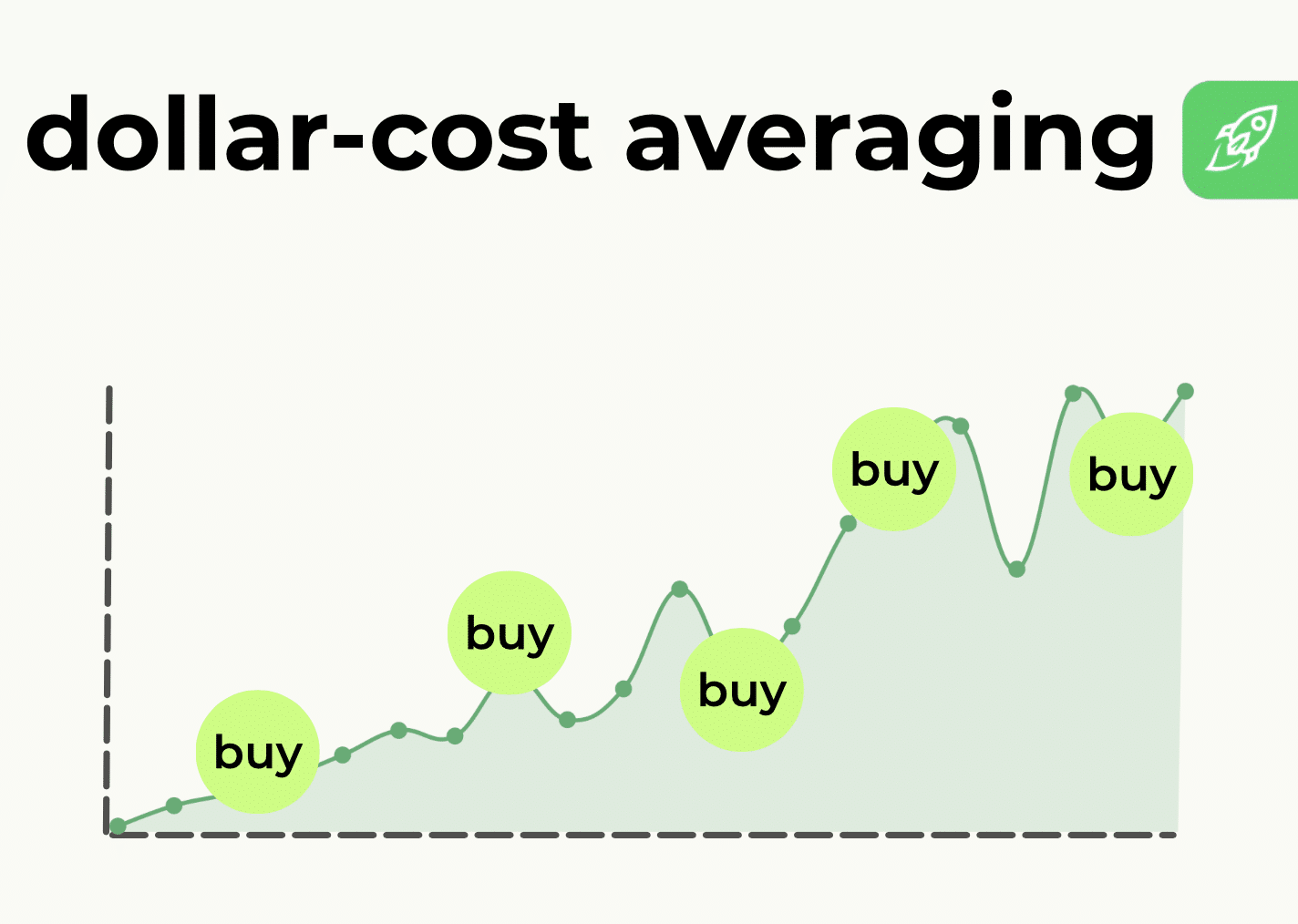
Dollar-Cost Averaging
Regular investments can gradually build a portfolio while rebalancing keeps the allocation aligned.
Diversification
A diversified portfolio provides the foundation that makes rebalancing meaningful.
Automated Strategy Management
Combining multiple automated tools can create a more complete investment system.
Together, these approaches help investors build a more disciplined process.
Who Benefits From Automated Rebalancing?
Automated portfolio adjustments can be valuable for investors who:
- Prefer long-term strategies
- Want less manual management
- Invest across multiple assets
- Want to maintain a specific risk profile
- Do not want to monitor markets constantly
It is especially useful for people who want to participate in crypto markets without spending significant time managing their portfolios.
The Future of Crypto Portfolio Management
As cryptocurrency adoption grows, portfolio management will become increasingly focused on automation and intelligent optimization.
Investors are moving away from constantly reacting to market movements and toward using technology to support structured strategies.
Automated rebalancing represents an important step toward making professional-style portfolio management more accessible.
Building a Smarter Crypto Investment Process
A successful crypto portfolio is not just about selecting assets—it is about managing them effectively over time.
Market movements will always change portfolio values, but investors can choose how they respond. Regular rebalancing helps maintain structure, manage risk, and keep investments aligned with long-term goals.
Automation makes this process simpler by reducing manual work and helping investors follow their strategies consistently.
In a fast-moving market like cryptocurrency, optimization is not about reacting faster. It is about creating a smarter system that works continuously.
By combining diversification, target allocations, and automated rebalancing, investors can build a more organized approach to managing their digital asset portfolios and focus on long-term growth with greater confidence.