Cryptocurrency investing is often described as a technology challenge, but one of the biggest obstacles investors face is psychological. Understanding blockchain networks, digital assets, and market trends is important, but managing emotions can be just as critical.
Crypto markets are known for rapid price movements. A sudden increase can create excitement and fear of missing out, while a sharp decline can trigger anxiety and uncertainty. These emotional reactions can lead investors to make decisions that conflict with their long-term goals.
Automation offers a powerful solution by helping investors follow structured strategies instead of reacting to every market movement. By reducing emotional involvement and creating consistent processes, automated investing tools help people build healthier and more disciplined investing habits.
Why Emotions Play a Major Role in Investing
Investing is not only about numbers. Every decision involves human behavior, expectations, and reactions to uncertainty.
In crypto markets, emotions can become especially influential because:
- Prices change quickly
- Markets operate 24/7
- News spreads instantly
- Social media amplifies reactions
- Short-term trends attract attention
These conditions create an environment where emotional decisions can easily replace strategic thinking.
A strong investment approach requires more than identifying opportunities—it requires the discipline to follow a plan during both positive and challenging market conditions.
The Two Biggest Emotional Forces in Crypto: Fear and Greed

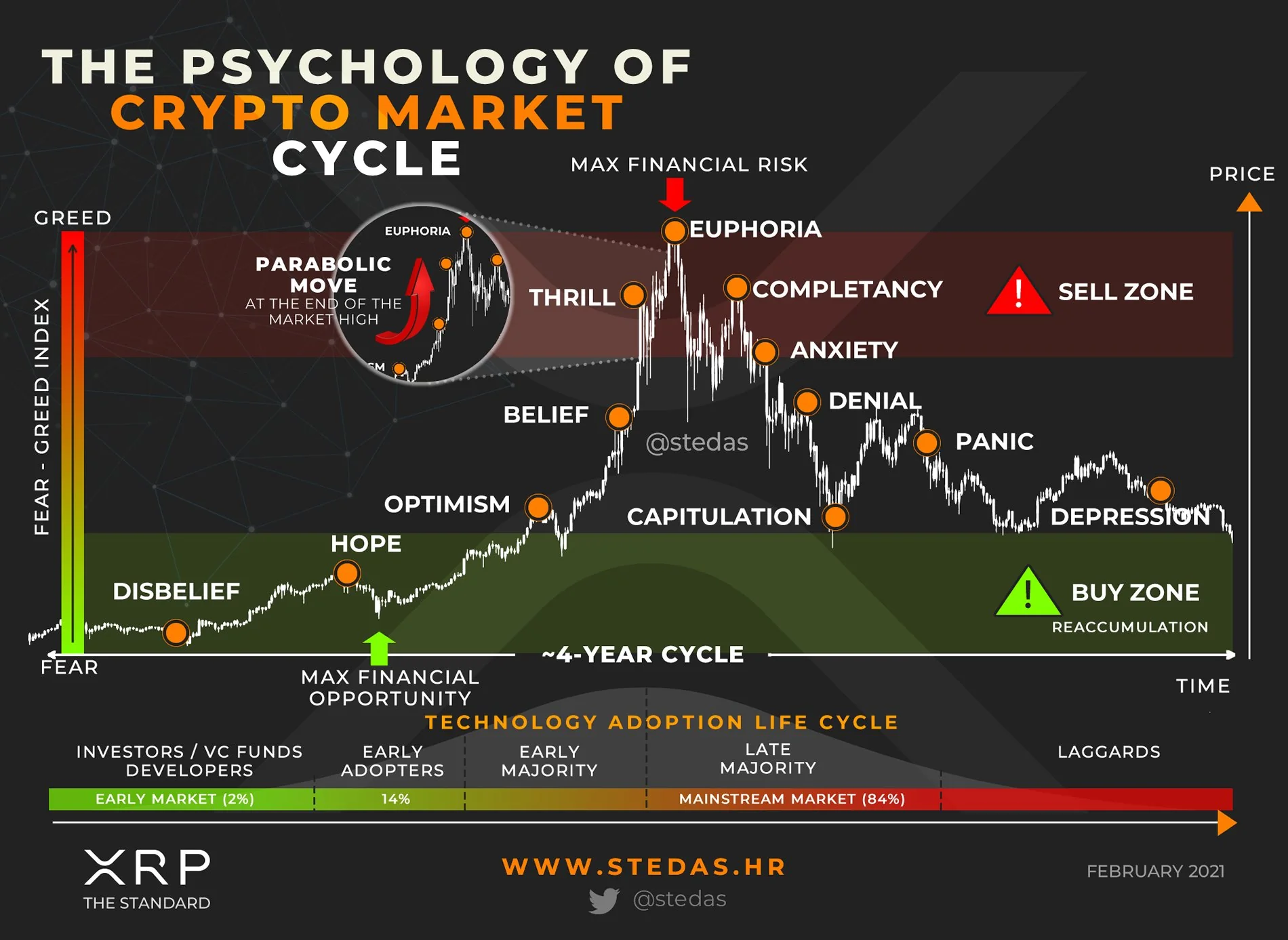
Many market decisions are influenced by two powerful emotions: fear and greed.
Understanding how these emotions affect behavior is the first step toward managing them.
How Fear Affects Crypto Investors
Fear often appears during periods of market uncertainty or declining prices.
Common fear-driven behaviors include:
- Selling during market drops
- Abandoning long-term strategies
- Avoiding investment opportunities
- Making decisions based on panic
When prices fall quickly, investors may focus on short-term losses instead of their original goals.
This reaction is understandable, but it can lead to decisions that are inconsistent with a carefully planned investment strategy.
How Greed Influences Decision-Making
Greed often appears during strong market growth.
When prices rise rapidly, investors may feel pressure to act quickly because they do not want to miss potential gains.
Common greed-driven behaviors include:
- Buying after large price increases
- Investing without research
- Taking excessive risks
- Following market hype
The desire to capture every opportunity can cause investors to move away from disciplined strategies.
Why Market Volatility Creates Emotional Pressure
Volatility is a natural part of cryptocurrency markets.
Large price movements can make investors question their decisions, even when their long-term strategy remains unchanged.
Short-term volatility can create thoughts such as:
- “Should I sell before prices drop further?”
- “Should I buy more because everyone is talking about this asset?”
- “Am I missing an opportunity?”
Constant exposure to price changes can make it difficult to maintain a rational perspective.
The Problem With Making Decisions in Real Time
When investors manually manage every decision, they are more likely to respond emotionally.
Real-time decision-making often happens during moments of uncertainty, when emotions are strongest.
Examples include:
- Selling after a sudden decline
- Buying after a major price increase
- Changing strategies frequently
- Checking portfolio performance constantly
The problem is not that investors lack intelligence. The challenge is that human psychology naturally reacts to uncertainty.
A structured process helps create distance between emotions and investment decisions.
How Automation Supports Disciplined Investing
Automation helps investors follow predetermined strategies instead of making decisions based on temporary emotions.
Automated investing tools can support:
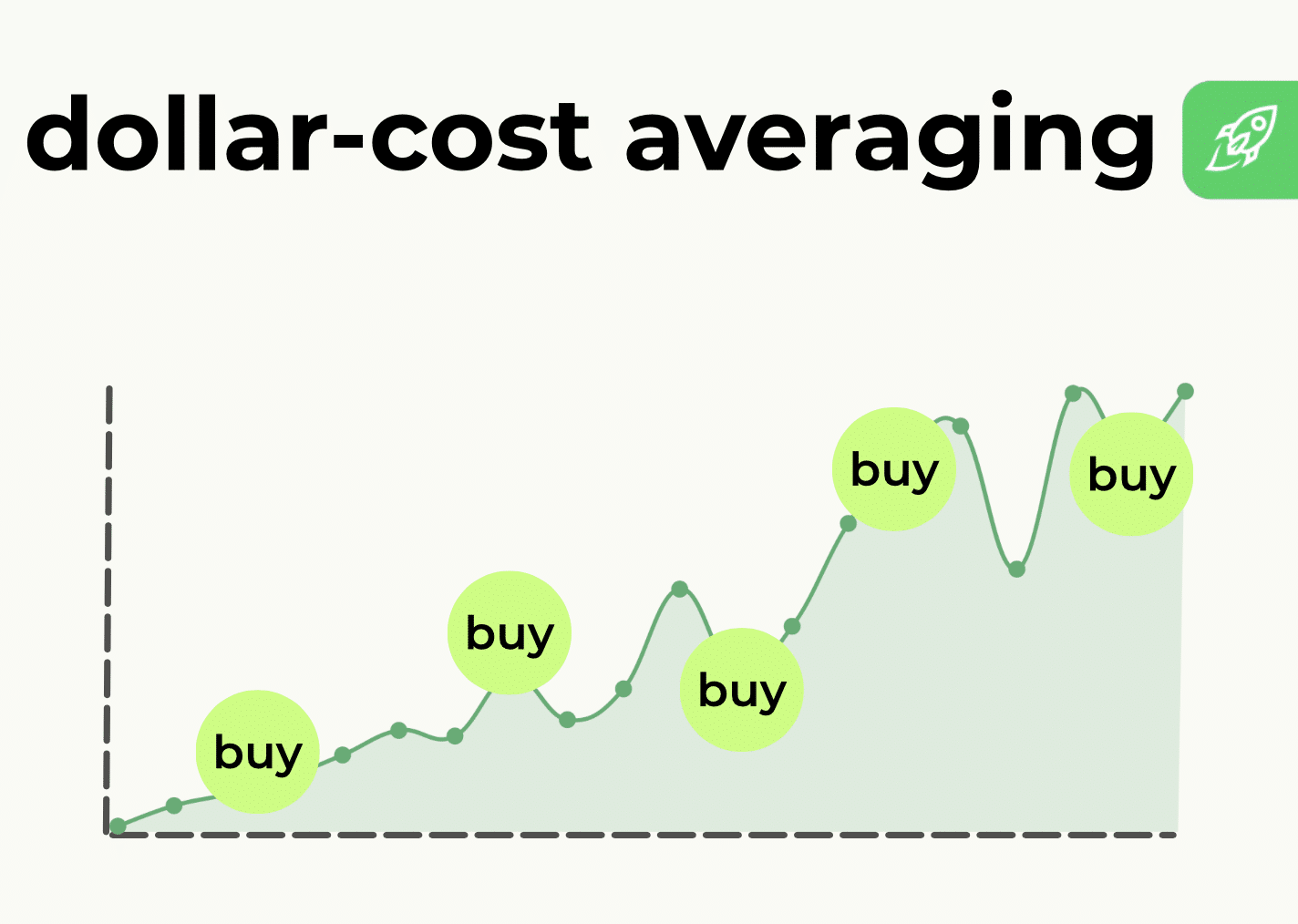
- Recurring investments
- Portfolio allocation
- Rebalancing
- Strategy execution
- Performance tracking
By handling routine decisions automatically, technology reduces the need for constant manual intervention.
Automation Creates Consistency
Consistency is one of the most important elements of long-term investing.
However, consistency becomes difficult when emotions influence decisions.
For example, an investor may plan to invest regularly but stop during market uncertainty because of fear.
Automation helps maintain the original plan by continuing the investment process regardless of short-term market conditions.
Automated Strategies Reduce Market Timing Pressure
Many investors struggle with trying to determine the perfect time to buy.
Questions like these can create unnecessary stress:
- Is the price too high?
- Should I wait for a dip?
- Did I miss the best opportunity?
Automated strategies help shift the focus away from timing individual moments and toward following a broader investment approach.
Strategies such as recurring investments allow investors to participate consistently without constantly predicting market movements.
Portfolio Automation Helps Maintain Balance

Emotions can also affect portfolio management.
During market changes, investors may unintentionally create portfolios that are too concentrated in certain assets or trends.
Automated portfolio management can help maintain intended allocations through processes such as:
- Regular portfolio reviews
- Automated rebalancing
- Diversified strategies
- Risk-based adjustments
This creates a more structured approach to managing investments over time.
Building a System Instead of Relying on Willpower
Successful investing often depends on creating systems that make good decisions easier.
Relying only on discipline can be challenging because emotions naturally change during different market conditions.
A system-based approach provides:
- Clear investment rules
- Consistent execution
- Reduced decision fatigue
- Better long-term focus
Automation acts as a support tool that helps investors stay aligned with their strategy.
The Role of Long-Term Thinking
Emotional investing often focuses on immediate results.
Strategic investing focuses on long-term progress.
Long-term investors understand that:
- Markets move through cycles
- Short-term changes are normal
- Consistency matters
- Individual price movements do not define the entire strategy
Automation supports this mindset by helping investors stay focused on the bigger picture.
Using Technology to Create Better Investing Habits
Modern crypto platforms are making disciplined investing more accessible through intelligent tools.
Technology can help investors:
- Create automated investment schedules
- Monitor portfolios efficiently
- Apply structured strategies
- Reduce unnecessary decisions
- Stay organized
These tools do not eliminate market risk, but they help investors manage their behavior more effectively.
Automation Does Not Replace Understanding
While automation helps reduce emotional decisions, investors should still understand their investment approach.
Important considerations include:
- Personal financial goals
- Risk tolerance
- Investment timeframe
- Portfolio strategy
- Market conditions
Automation works best when combined with informed decision-making and a clear plan.
Creating a More Balanced Crypto Investing Experience
The biggest challenge in crypto investing is not always choosing the right asset—it is staying consistent when markets become unpredictable.
Fear, greed, and volatility can influence even experienced investors. Without a structured approach, emotional reactions can lead to decisions that harm long-term goals.
Automation provides a way to create discipline through technology. By supporting recurring investments, portfolio management, and strategy execution, automated tools help investors focus on their goals instead of short-term market noise.
The future of crypto investing is not just about faster transactions or advanced technology. It is also about helping people make better decisions.
By combining smart strategies with automation, investors can create a more stable, organized, and confident approach to building their digital asset portfolios.