Entering the world of cryptocurrency can feel exciting, but it can also feel overwhelming. With thousands of digital assets available, constantly changing market conditions, and new investment strategies appearing regularly, many beginners struggle with one simple question:
How do I build and manage a crypto portfolio effectively?
Successful crypto investing is not only about choosing individual assets. It is about creating a structured approach that matches your goals, managing risk, and maintaining a strategy over time.
A well-managed portfolio provides direction. Instead of making random investment decisions based on market movements, investors can follow a clear plan designed around their personal objectives.
With modern portfolio management tools and automation, building a disciplined crypto investment strategy is becoming easier for beginners and experienced investors alike.
What Is a Crypto Portfolio?
A crypto portfolio is a collection of digital assets owned by an investor.
Similar to traditional investing, a portfolio represents how someone allocates their capital across different opportunities.
A crypto portfolio may include:
- Established cryptocurrencies
- Emerging digital assets
- Different blockchain ecosystems
- Various investment categories
- Stable assets for balance
The purpose of a portfolio is not simply to own multiple cryptocurrencies. The goal is to create a structure that supports an investor’s financial objectives and risk preferences.
Why Portfolio Management Matters

Many beginners focus heavily on the first step: buying crypto.
However, purchasing assets is only the beginning.
Effective portfolio management involves:
- Choosing appropriate allocations
- Monitoring performance
- Managing risk
- Adjusting strategy over time
- Maintaining discipline during market changes
Without a strategy, investors may end up with a collection of assets rather than a carefully designed portfolio.
Step 1: Define Your Investment Goals
Before choosing cryptocurrencies, investors should understand what they are trying to achieve.
Different goals require different approaches.
Consider questions such as:
- Am I investing for long-term growth?
- How much risk am I comfortable accepting?
- How long do I plan to invest?
- Do I want active management or automation?
- How often do I want to review my portfolio?
A clear goal provides the foundation for every future decision.
Step 2: Understand Risk Tolerance
Cryptocurrency investments can experience significant price movements.
Understanding personal risk tolerance helps determine how a portfolio should be structured.
Risk tolerance depends on factors such as:
- Financial situation
- Investment experience
- Time horizon
- Comfort with volatility
A portfolio designed for someone comfortable with high volatility may look very different from one designed for a more cautious investor.
Step 3: Choose a Portfolio Structure
A portfolio structure defines how investments are distributed.
Instead of placing all funds into a single asset, many investors use allocation strategies to create balance.
A structured portfolio may include different categories based on goals and risk levels.
Examples include:
Core Assets
These are often larger, more established cryptocurrencies that form the foundation of a portfolio.
Growth Opportunities
These may include newer projects with higher potential but greater uncertainty.
Diversification Assets
These provide exposure to different areas of the crypto ecosystem.
The exact structure depends on the investor’s strategy and preferences.
Step 4: Understand Diversification
Diversification is one of the most important concepts in portfolio management.
The idea is simple: avoid depending entirely on one investment.
A diversified crypto portfolio can help reduce the impact of:
- Individual asset declines
- Project-specific challenges
- Market uncertainty
Diversification does not eliminate risk, but it can create a more balanced investment approach.
Step 5: Create a Consistent Investment Strategy
Many successful investors focus on consistency rather than trying to predict short-term market movements.
A strategy may include:
- Regular contributions
- Long-term holding
- Automated investing
- Portfolio reviews
- Periodic adjustments
The key is creating a process that can be followed through different market conditions.
Dollar-Cost Averaging for Beginners
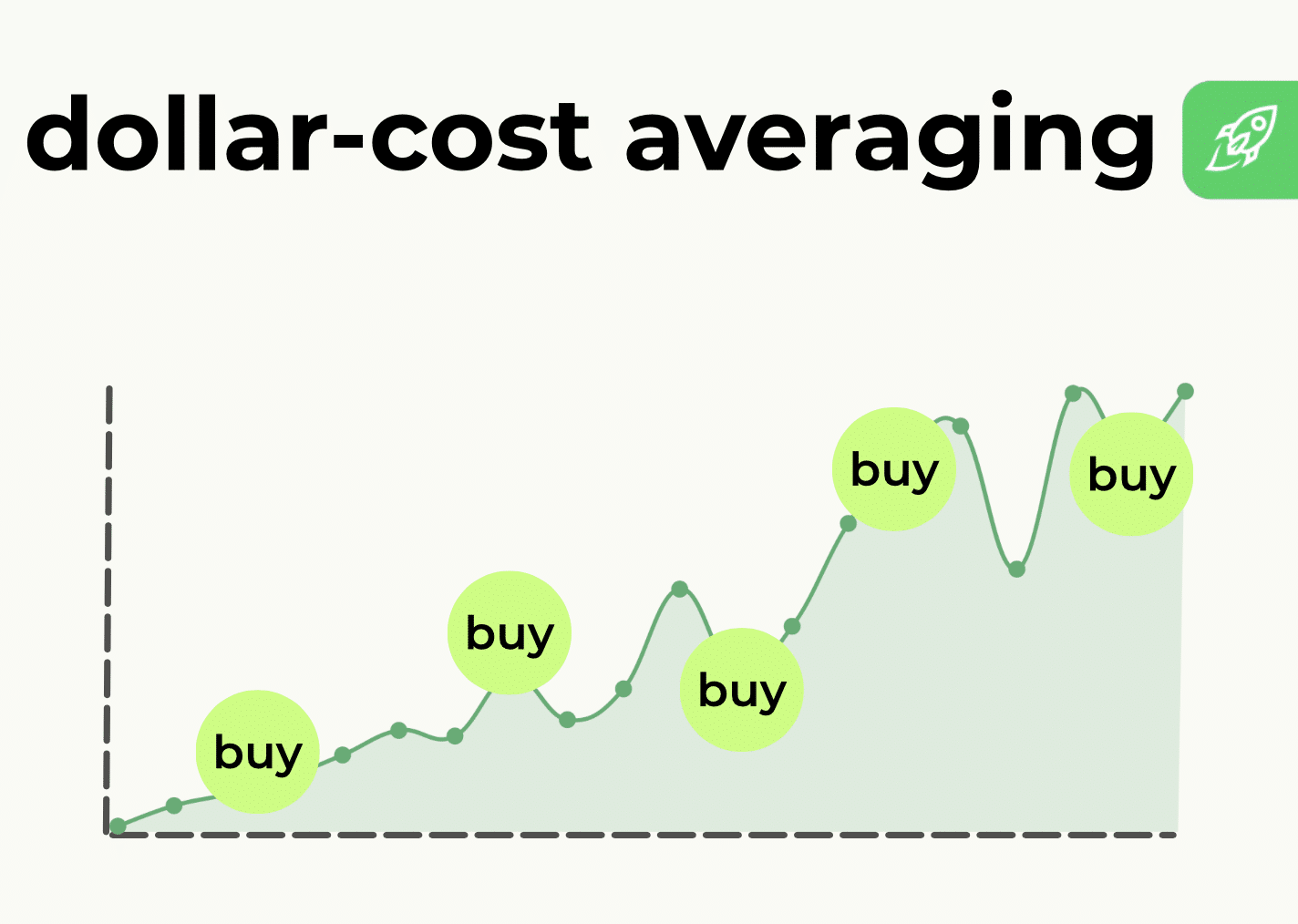
Dollar-cost averaging (DCA) is one of the most accessible crypto investment strategies.
Instead of investing a large amount at once, investors contribute smaller amounts at regular intervals.
For example:
- Weekly investments
- Monthly contributions
- Automated recurring purchases
Benefits include:
- Reducing timing pressure
- Building investing habits
- Avoiding emotional decisions
- Creating consistency
DCA helps beginners participate in crypto markets without needing to predict the perfect entry point.
The Importance of Portfolio Rebalancing
Over time, market movements change portfolio allocations.
An asset that grows significantly may become a much larger percentage of the portfolio than originally intended.
Rebalancing helps restore the portfolio to its target structure.
Benefits include:
- Maintaining diversification
- Managing risk
- Following the original strategy
- Avoiding excessive concentration
Automated rebalancing tools make this process easier by adjusting portfolios according to predefined rules.
Monitoring Your Portfolio Without Obsessing Over Prices
Many beginners make the mistake of checking their portfolio constantly.
While staying informed is important, excessive monitoring can encourage emotional decisions.
A better approach is to focus on meaningful portfolio metrics, such as:
- Long-term performance
- Allocation balance
- Strategy progress
- Risk exposure
- Investment consistency
The goal is not to react to every price movement but to understand whether the portfolio remains aligned with the plan.
How Automation Simplifies Portfolio Management

Managing a crypto portfolio manually can require significant time and attention.
Automation helps simplify many routine tasks.
Automated portfolio tools can support:
- Recurring investments
- Asset allocation
- Rebalancing
- Performance tracking
- Strategy execution
This allows investors to spend less time managing details and more time focusing on their broader financial goals.
Common Beginner Portfolio Mistakes
Many new crypto investors make similar mistakes when building their first portfolio.
Investing Without a Plan
Buying assets without understanding why they are included can lead to confusion later.
Every investment should have a purpose within the overall strategy.
Following Market Hype
Social media trends can create excitement around specific cryptocurrencies.
However, investing based only on popularity can increase risk.
A strong portfolio is built on strategy rather than temporary attention.
Lack of Diversification
Concentrating too much capital in one asset increases exposure to individual risks.
Balanced allocation helps create a more structured approach.
Reacting Emotionally to Market Changes
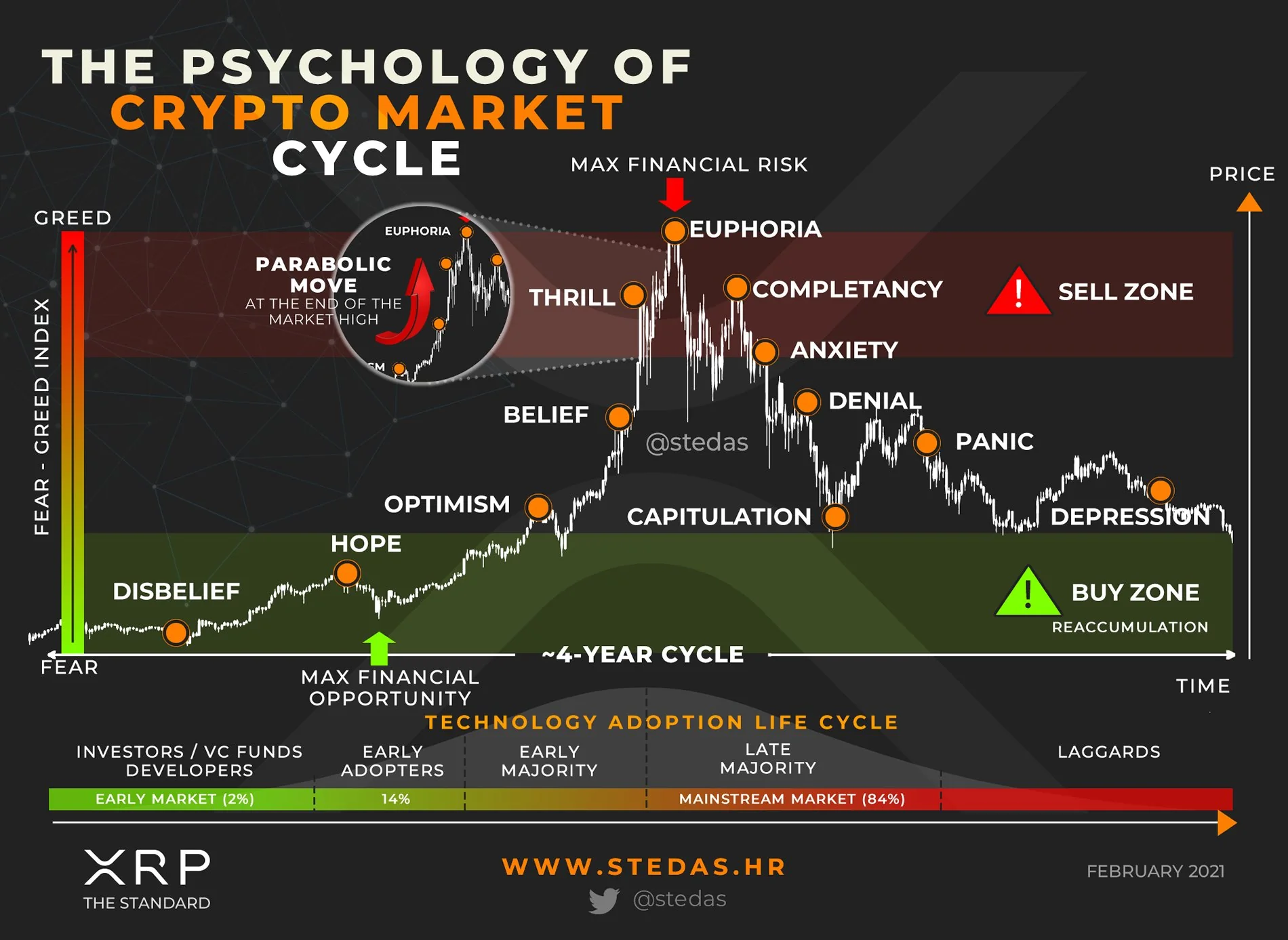
Market volatility can trigger fear and excitement.
Making decisions based on short-term emotions often leads to inconsistent results.
A predefined strategy helps investors remain focused.
Ignoring Portfolio Maintenance
A portfolio requires ongoing attention.
Without reviews and adjustments, allocations can drift away from the original plan.
Regular optimization keeps the strategy relevant.
Building a Complete Crypto Investment Strategy
A complete crypto portfolio strategy combines several important elements:
- Clear investment goals
- Appropriate risk management
- Diversified asset allocation
- Consistent investing habits
- Regular portfolio optimization
- Automated tools where useful
Together, these components create a more organized and sustainable investment process.
The Future of Crypto Portfolio Management
Crypto investing is becoming more accessible as technology simplifies complex financial processes.
Modern portfolio tools are helping investors move beyond manual decision-making and toward smarter, automated strategies.
The future of crypto portfolio management is focused on:
- Personalization
- Automation
- Intelligent allocation
- Easier decision-making
- Better risk management
These innovations allow more people to participate in digital asset markets without needing advanced technical knowledge.
Starting Your Crypto Journey With Confidence
Building a crypto portfolio does not require perfect timing or constant market analysis. It requires a clear strategy, consistent habits, and a willingness to manage investments thoughtfully.
The most important step for beginners is moving from random decisions to structured portfolio management.
By defining goals, diversifying investments, using strategies like dollar-cost averaging, and taking advantage of automation, investors can create a more disciplined approach to cryptocurrency investing.
Crypto portfolio management is not about predicting every market movement. It is about building a system that helps you stay focused, organized, and prepared for the long term.