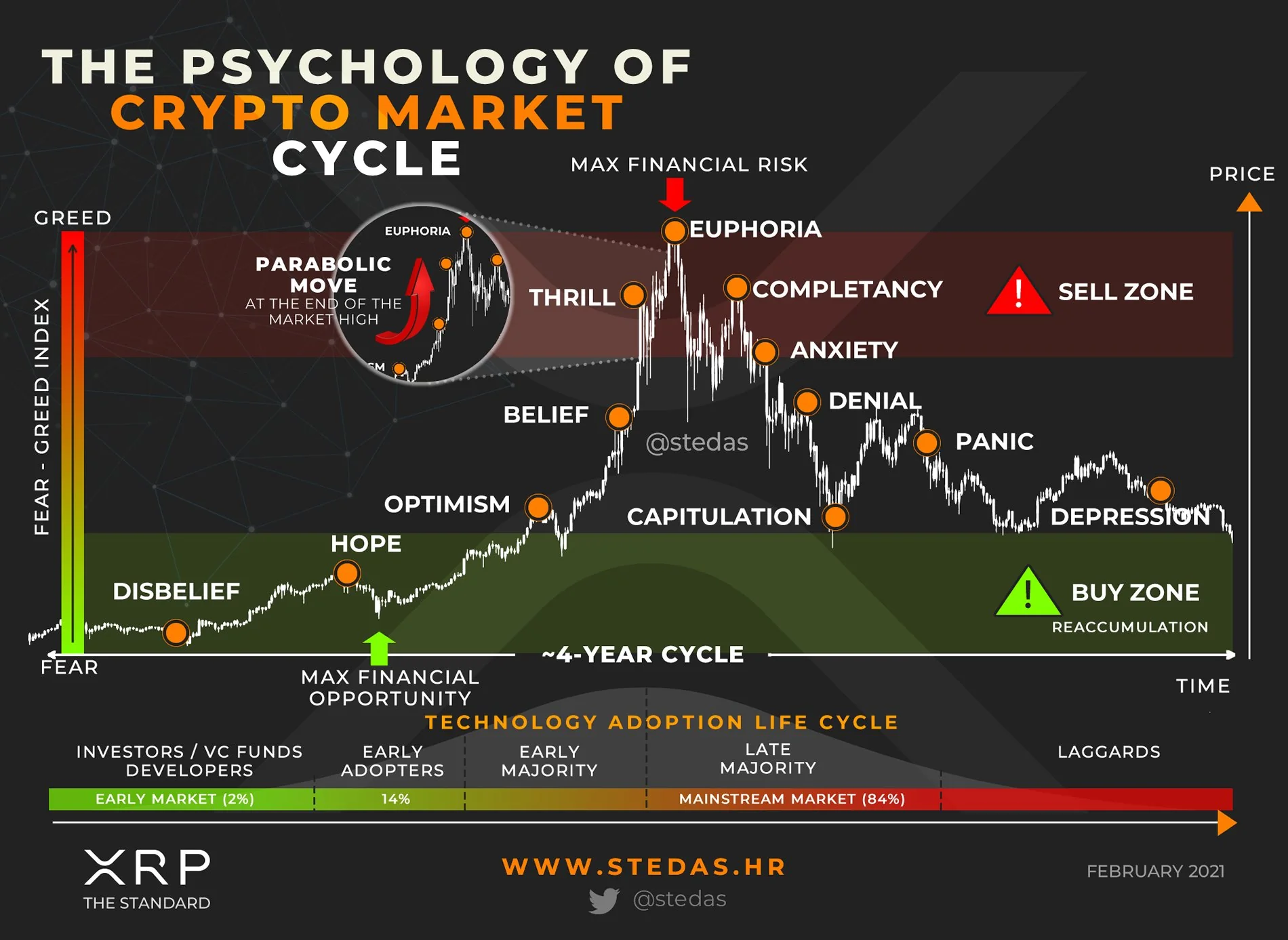
Cryptocurrency markets are known for dramatic price movements. Periods of rapid growth can create excitement and attract new investors, while sharp declines can create uncertainty and fear. These changing conditions are not unusual—they are part of the natural rhythm of crypto markets.
Understanding market cycles helps investors move beyond short-term reactions and build strategies designed for different environments. Instead of trying to predict every price movement, successful investors focus on preparation, discipline, and long-term planning.
By recognizing the characteristics of bull markets, bear markets, and periods of volatility, investors can make more informed decisions and create portfolios that are better prepared for change.
What Are Crypto Market Cycles?
A market cycle describes the recurring patterns that occur as prices move through different phases of growth, decline, and recovery.
Crypto market cycles are influenced by many factors, including:
- Investor sentiment
- Market adoption
- Technological developments
- Economic conditions
- Industry trends
- Supply and demand dynamics
While every cycle is different, many markets experience similar emotional and behavioral patterns over time.
Understanding these patterns helps investors recognize that both growth and decline are normal parts of investing.
The Four Main Phases of a Crypto Market Cycle
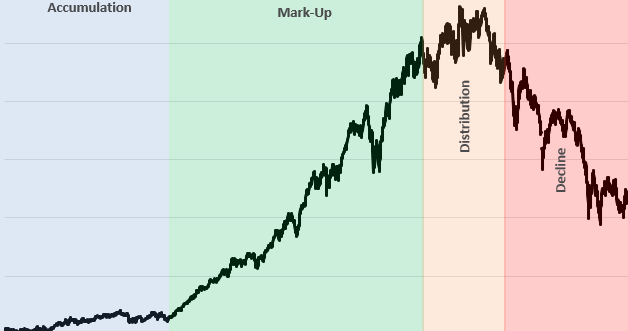
Although market movements are unpredictable, crypto cycles are often described through several broad phases:
- Accumulation
- Bull market
- Distribution
- Bear market
Each phase presents different challenges and opportunities for investors.
Accumulation Phase: Building During Uncertainty
The accumulation phase often occurs after a significant market decline.
During this period:
- Prices may remain relatively low
- Investor confidence may be limited
- Market attention may decrease
- Long-term investors may begin building positions
Many investors find this phase psychologically challenging because negative sentiment can make it difficult to stay focused on long-term opportunities.
A strategic approach during this stage often involves:
- Consistent investing
- Portfolio diversification
- Long-term planning
- Avoiding emotional decisions
Bull Markets: Managing Growth and Optimism
A bull market occurs when cryptocurrency prices experience sustained growth and increasing investor confidence.
Common characteristics include:
- Rising asset prices
- Increased market participation
- Greater media attention
- Growing optimism
- Higher trading activity
Bull markets can create significant opportunities, but they also introduce new challenges.
The Risk of Emotional Investing
Rapid growth can cause investors to make decisions based on excitement.
Common mistakes include:
- Buying after major price increases
- Investing because of market hype
- Taking excessive risks
- Ignoring portfolio balance
A strong strategy helps investors participate in growth without abandoning risk management.
Maintaining Discipline During Growth
Successful investors often focus on:
- Following their investment plan
- Reviewing portfolio allocations
- Taking a long-term perspective
- Avoiding impulsive decisions
The goal is not to predict the market top but to maintain a structured approach.
Distribution Phase: When Market Sentiment Changes
After extended growth, markets may enter a transition period.
During this phase:
- Price increases may slow
- Investor confidence may become uncertain
- Market behavior may become unpredictable
Some investors begin reducing exposure, while others continue expecting further growth.
This phase highlights the importance of having a clear strategy before emotions become stronger.
Bear Markets: Preparing for Downturns
A bear market occurs when prices experience a prolonged decline.
These periods can be challenging because negative sentiment often dominates the market.
Common characteristics include:
- Falling prices
- Reduced investor activity
- Lower market confidence
- Increased uncertainty
However, bear markets are also a normal part of long-term market cycles.
Avoiding Panic Decisions
One of the biggest challenges during downturns is emotional decision-making.
Investors may feel pressure to:
- Sell during declines
- Abandon their strategy
- Avoid investing entirely
- Focus only on short-term losses
A structured approach helps investors stay focused on their broader objectives.
Volatility: The Defining Feature of Crypto Markets
Volatility refers to rapid and significant price changes over short periods.
Crypto markets are particularly known for volatility due to:
- Emerging technology
- Changing regulations
- Market speculation
- Global economic factors
- Rapid innovation
While volatility can create opportunities, it can also create emotional pressure.
The key is learning how to manage volatility rather than trying to eliminate it.
Why Strategic Planning Matters
Market cycles are difficult to predict, but investors can control how they respond.
A strategic plan provides guidance during both positive and negative conditions.
A strong crypto investment strategy may include:
- Clear financial goals
- Defined risk tolerance
- Portfolio diversification
- Regular investing habits
- Long-term perspective
- Automated portfolio management
Planning reduces the need to make decisions based on temporary market emotions.
How Automation Helps During Market Changes
Automation can play an important role in helping investors navigate different market conditions.
Instead of reacting manually to every price movement, automated strategies help maintain consistency.
Automation can support:
- Recurring investments
- Portfolio rebalancing
- Target allocations
- Risk-based strategies
- Performance tracking
This allows investors to follow their approach even when markets become unpredictable.
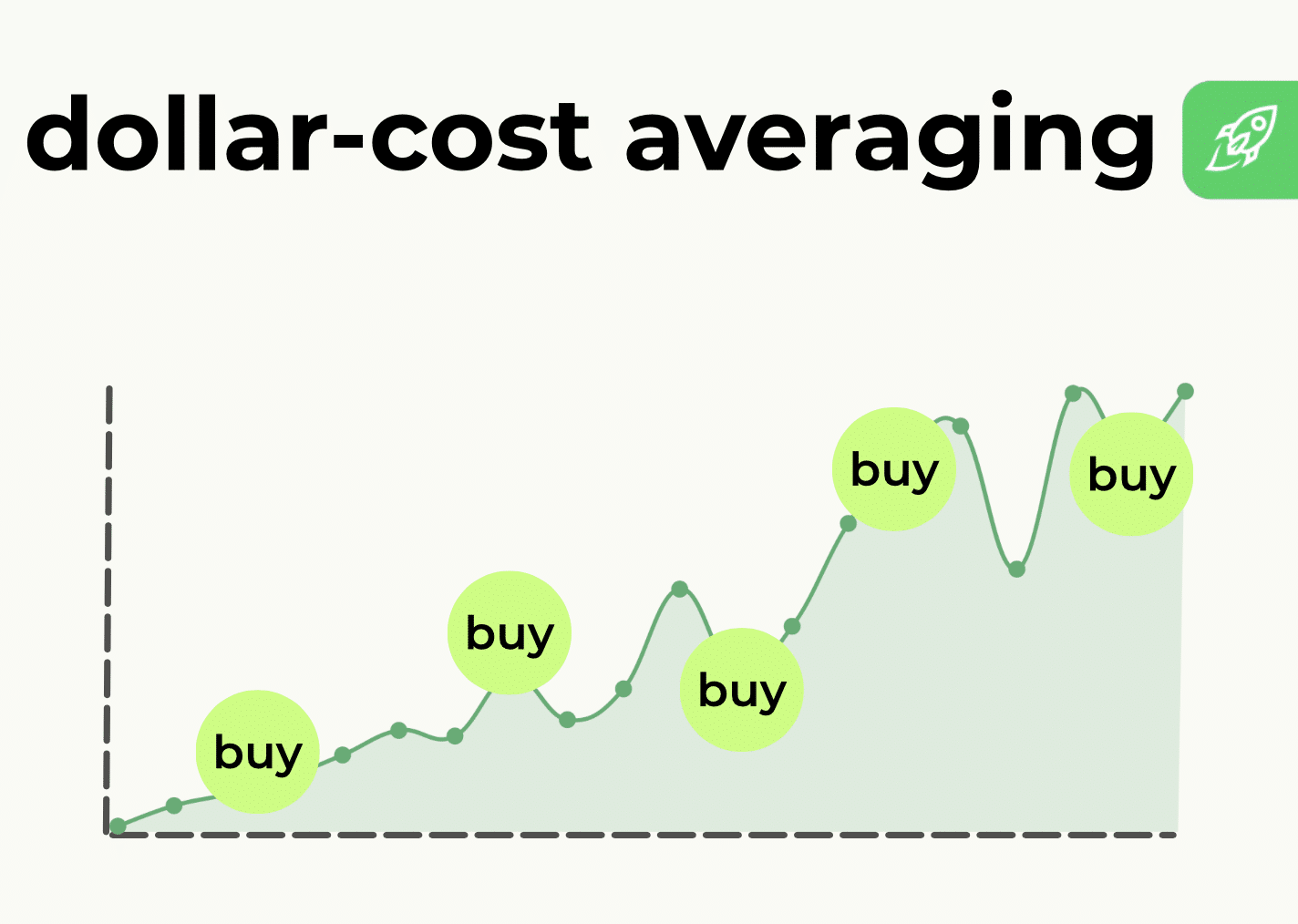
Dollar-Cost Averaging Through Market Cycles
Dollar-cost averaging is one strategy that helps investors remain consistent throughout different market phases.
By investing regularly over time, investors avoid relying on a single entry point.
Benefits include:
- Reducing timing pressure
- Building consistent habits
- Avoiding emotional decisions
- Participating across different market conditions
Automation makes this approach easier by turning investing into a repeatable process.
Building a Portfolio That Can Handle Change
A resilient crypto portfolio is designed with different market environments in mind.
Important considerations include:
Diversification
Spreading exposure across multiple assets can reduce dependence on any single investment.
Risk Management
Understanding personal risk tolerance helps determine appropriate portfolio structure.
Long-Term Focus
Short-term volatility becomes easier to manage when investors have clear long-term goals.
Regular Optimization
Portfolio reviews and rebalancing help maintain alignment with the original strategy.
Common Mistakes During Market Cycles
Many investing mistakes happen because decisions are based on emotions rather than planning.
Common mistakes include:
- Buying only during periods of excitement
- Selling during market fear
- Constantly changing strategies
- Ignoring portfolio balance
- Following social media trends without research
- Trying to predict every market movement
A disciplined process helps reduce these behaviors.
Preparing for the Next Market Cycle
Investors cannot control market cycles, but they can control their preparation.
Preparation involves:
- Understanding personal investment goals.
- Creating a clear portfolio strategy.
- Automating consistent investing habits.
- Maintaining appropriate risk levels.
- Reviewing and improving the strategy over time.
A prepared investor does not need to react to every market movement because they already have a plan.
The Future Belongs to Strategic Crypto Investors
Crypto market cycles will continue to create periods of excitement, uncertainty, and change. Bull markets and bear markets are both natural parts of the investing journey.
The difference between successful long-term investors and reactive investors often comes down to preparation. Those who focus on strategies, diversification, and disciplined execution are better positioned to navigate changing conditions.
Technology and automation are making strategic investing more accessible than ever. By using tools that support consistent investing, portfolio optimization, and risk management, more people can approach crypto markets with greater confidence.
The goal is not to predict every market cycle perfectly. The goal is to build a strategy that can adapt through them all.